
Consciously Uncoupling from Big Tech
And re-wilding your digital life.

Ask anyone who knows me and they'll tell you I'm a self-professed nerd and avid tech lover. However, so much tech is increasingly becoming more fraught and problematic, and it's clear that many of the big players (Meta, Google, Amazon, Apple) don't have our best interests at heart. As Zadie Smith puts it:
[...] when I look at the people who have designed these things — what they want, what their aims are, what they think a human being is or should be — the humans I know and love, this machinery is not worthy of them. That’s the best way I can put it.
One of the things that frustrates me the most about Big Tech (apart from its icky ad and privacy policies) is its very deliberate lack of interoperability – products that could and should seamlessly work together don't, and that is a very intentional decision, aimed at ring-fencing you into one provider or another, and making it as tricky as possible for you to move to another service.
So, for well over a year now, Ben and I have been trying to move away from the 'default', enshittified apps and services and towards open source, privacy-first alternatives that better align with our values. Here's what we're using, what we love - and what we're still figuring out.
Music

- Qobuz: this was a big switch for us, as I loved my many Spotify playlists. But I have been loving Qobuz, a French music streaming service that focuses on lossless and hi-res audio. I used the brilliant Soundiz to very easily transfer playlists across.
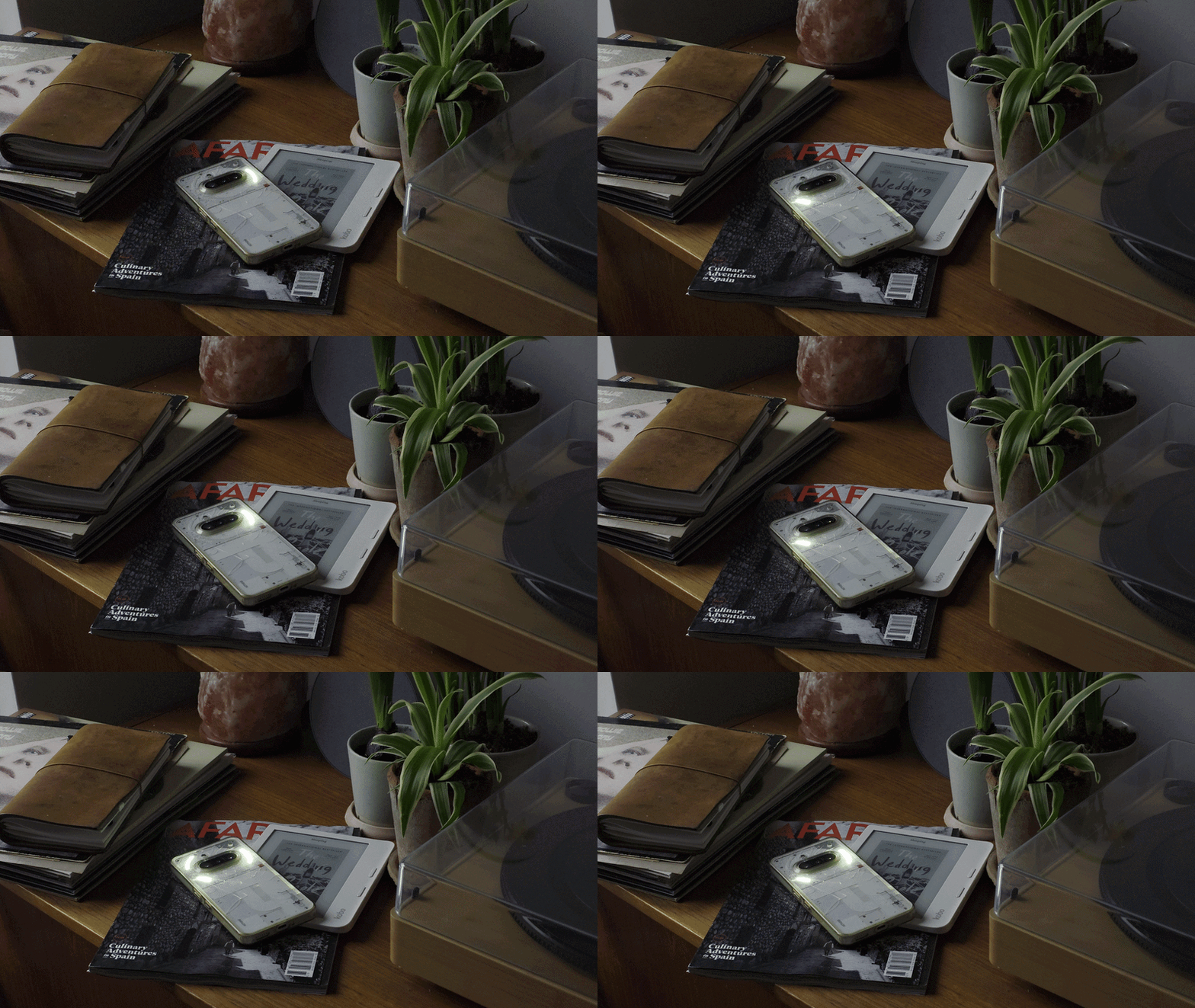
- Vinyl: We have reinstated the record player, above, in the living room. We have a mix of favourites we've collected over the last decade or so, plus a brilliant batch of records from the 70s and 80s belonging to Ben's aunt and parents. I am trying to be more intentional and stick on a record instead of roaring requests at an Amazon device. Is there more friction this way? Yes. Is it also a much lovelier, more cohesive experience? Also yes.
Books and audiobooks

- Kobo: I've had my Kobo e-reader, above, for a few years now and while it's not quite as frictionless an experience as a Kindle, what it is great at is:
- Allowing you to download your purchases, so you can add them to other devices or back them up for future use, something Kindle doesn't let you do anymore.
- You can easily load in e-books borrowed from your local library, via Borrowbox and the Adobe Digital Editions app. This has saved me a fortune!
- Libro.fm: Very similar to Audible, except your credits don't expire (even if you cancel your membership) and you can pick a local bookshop to support with every purchase.
Famili wiki
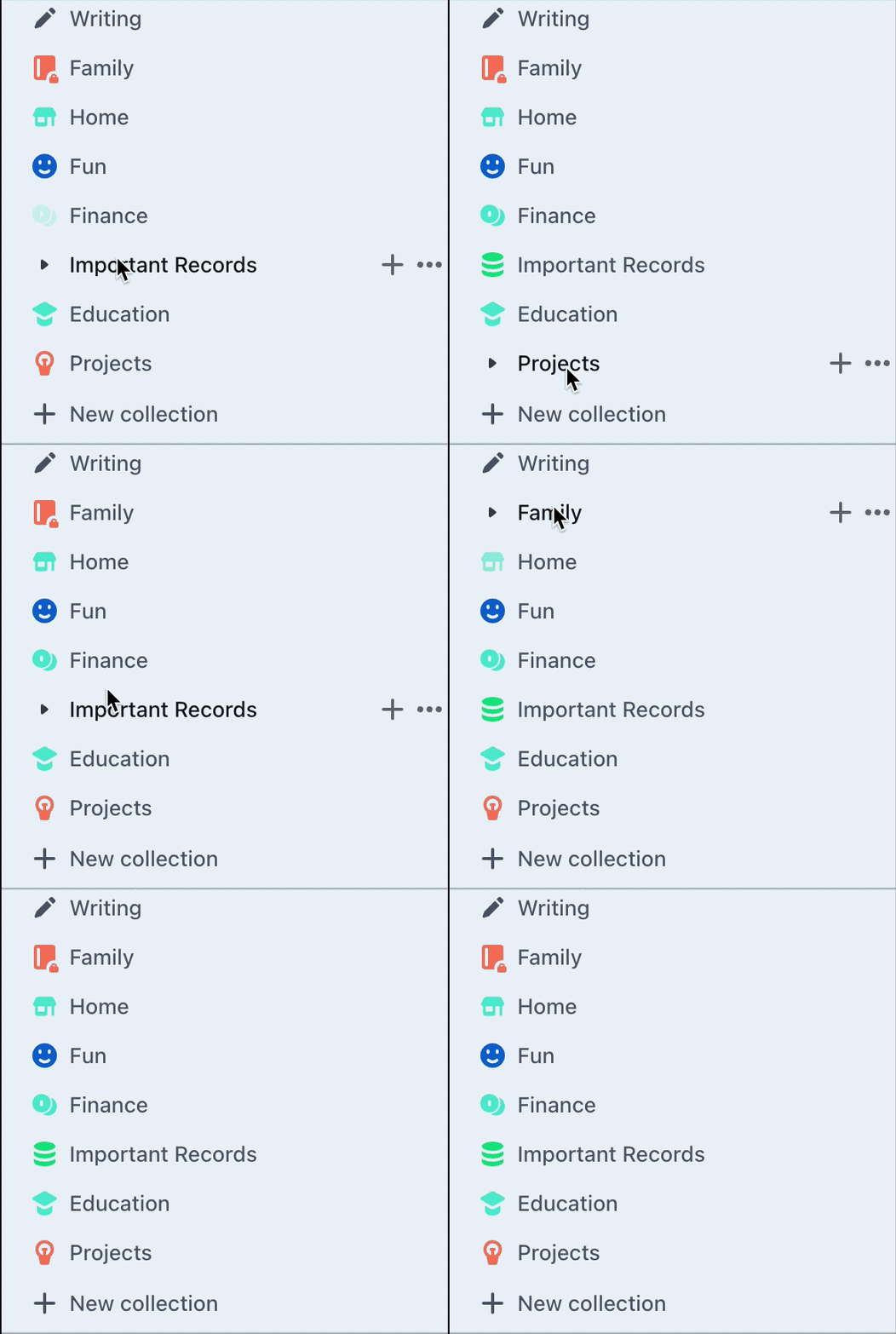
We've had some version of a shared family note-taking system since Ari was born. We use it to document and plan all sorts of things – from kid's shoe sizes to upcoming trips and important records. We've tried various things, but we're currently using a self-hosted instance of Outline and have found it great.
Passwords
BitWarden: A brilliant password manager that works excellently across a range of devices - meaning a password saved on my Android phone will pop up seamlessly on my MacBook and vice versa.
Browser & Search
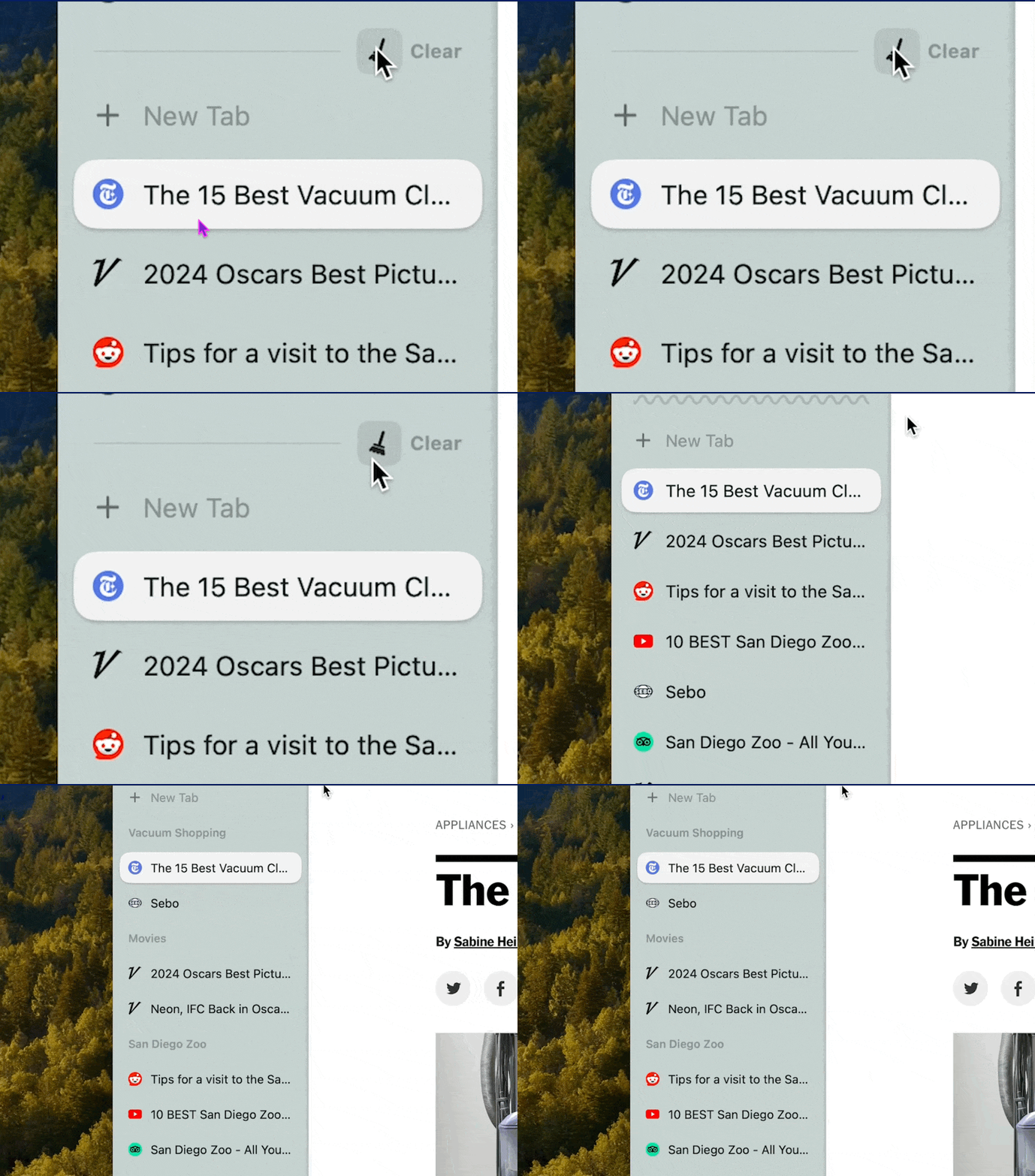
- Arc: I'm a huge fan of Arc's desktop browser; if you suffer from the too-many-tabs syndrome like I do, their magical 'tidy tabs' feature, which sorts your tabs into categories with just one click, will change your life.
- Kagi: At first the idea of a paid search engine seemed bananas. But the idea of a search engine that didn't track you, send your information to advertisers or clutter your search results with more and more 'sponsored' results? That sounded like heaven, and I'm happy to report it is.
Smart home stuff
Home Assistant: This is where lack of interoperability between Apple, Amazon and Google products would really frustrate us; plus, we wanted our smart home to be something only we controlled. Ben has put a lot of time and energy into getting us up and running on Home Assistant, an open source home automation tool, and, while it definitely takes a fair bit of tweaking, it feels like a much more sustainable long-term solution that doesn't lock you in to any one suite of products.
Messaging & notes
Signal: While it's currently impossible to escape the vice grip of WhatsApp and its gazillion groups, Ben and I have been using Signal for the past year or so (we were on Telegram before that for years and years) and it's great.
UpNote: While I was a fan of both Apple's Notes app and Google's Keep offering, I've switched to UpNote – mostly for its cross-platform functionality – and am finding it great so far; a simple, clean note-taking experience.

Work in progress
The things that we have found trickiest to untangle ourselves from is Gmail/Google Workspace (considering Proton and Nextcloud) and Apple's iCloud infrastructure for device photos. Ben is tinkering with Imich, a self-hosted photo and video management tool, and I'm trying to get better at printing and displaying pis (some tips here for that from an interview I did with Image magazine a few years ago).
For anything I haven't covered here, it's worth checking out this list of European alternatives for digital services and products or this directory of 1400+ European software companies across 80+ categories.
Some of the above require self-hosting, and Ben is working on a post on how he get that up and running.
Are you curious about how to un-Big Tech your online life? Happy to answer any questions.